Most South Mississauga homeowners don't spend much time thinking about radon. In fact, for many sellers, the topic doesn't come up until a buyer raises it during a home inspection or conditional period. Unfortunately, that's often the worst possible time to deal with it. By that stage, emotions are involved, timelines are tight, and what could have been a simple conversation suddenly becomes a negotiation issue. The reality is that radon rarely kills a real estate transaction. What creates problems is uncertainty. When buyers don't know whether a home has elevated radon levels, they naturally assume risk. And whenever buyers perceive risk, they typically ask for additional conditions, additional testing, or additional money. That's why more sellers are beginning to test before listing. Not because they expect a problem, but because they want answers before negotiations begin.
What Exactly Is Radon?
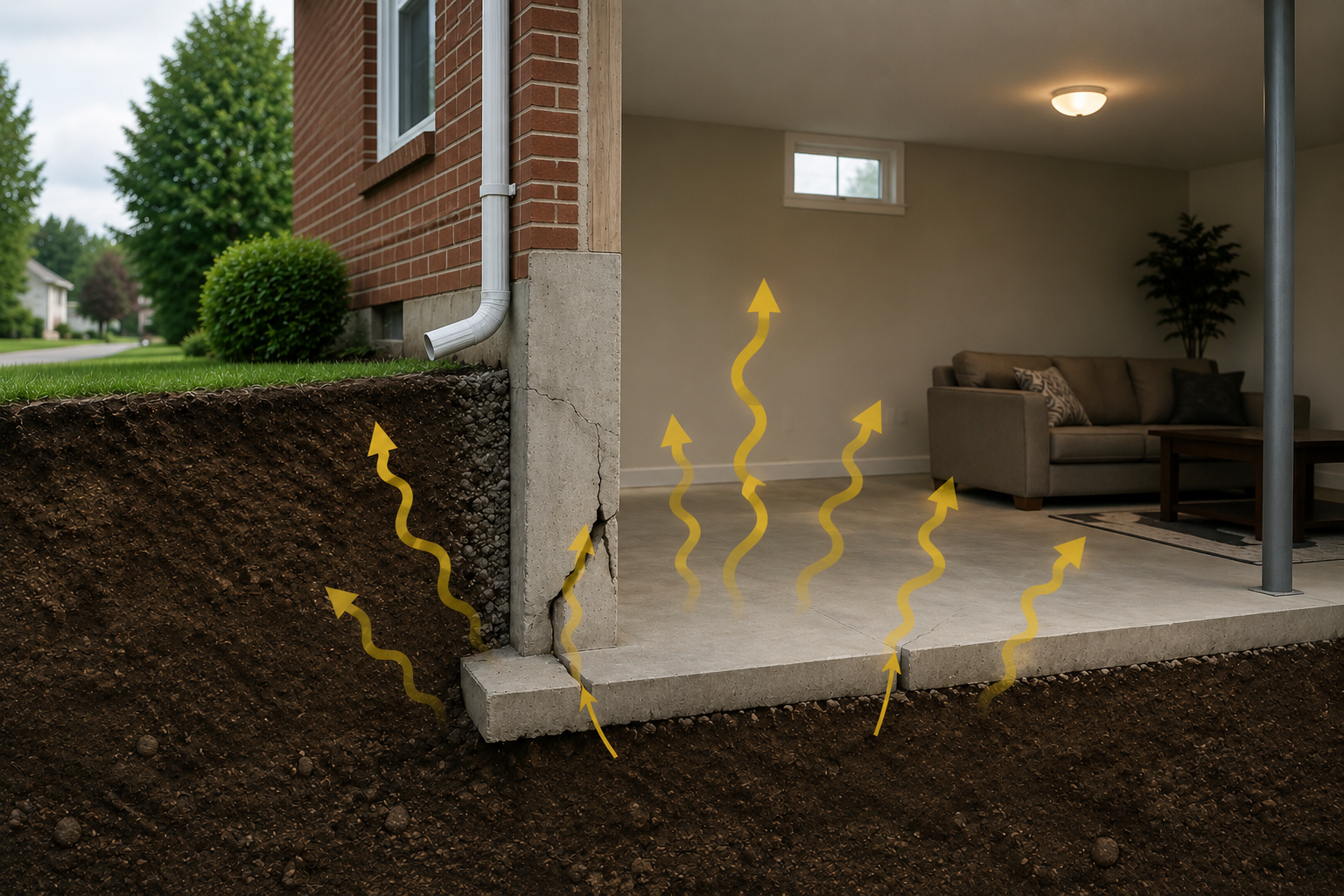
Radon is a naturally occurring radioactive gas produced by the breakdown of uranium in soil and rock. You can't see it. You can't smell it. You can't taste it. It enters homes through small openings in foundations and can accumulate indoors over time. Health Canada identifies radon as the second leading cause of lung cancer in Canada and the leading cause among non-smokers. The important thing for sellers to understand is that radon isn't a neighbourhood issue. It's a property-specific issue. Two homes on the same street can produce completely different radon readings. That's why assumptions are rarely helpful. Testing is the only way to know.
Why Sellers Should Consider Testing Before Listing
Most issues discovered during a transaction become stressful because they arrive unexpectedly. Radon is no different. Imagine a buyer conducts a radon test during a conditional period and receives a result above Health Canada's guideline of 200 Bq/m³. Immediately, questions begin. How serious is it? What does mitigation cost? Should the seller pay? Should the buyer proceed? None of those conversations are impossible to navigate, but they're much easier when the answers already exist. A seller who tests before listing enters negotiations with facts instead of uncertainty. If the result is low, buyers gain confidence. If the result is elevated, the seller has time to address it before the home ever reaches the market. Either way, the uncertainty is removed.
What I See In Real Transactions
In my experience, radon itself is rarely the issue. The issue is surprise. When buyers discover something unexpected after they've emotionally committed to a home, they often react more strongly than they otherwise would. Suddenly the conversation isn't just about radon.
- It's about risk.
- It's about trust.
It's about what else might be hiding beneath the surface. Sellers who already have documentation available usually experience a very different conversation. Instead of reacting to a concern, they're providing information. Instead of discussing possibilities, they're discussing facts. That shift may seem subtle, but it can have a significant impact on how negotiations unfold.
South Mississauga Homes Are Often Unique
Many homes throughout South Mississauga have been standing for decades. Areas such as Sherwood Forrest, Lorne Park, and Oakridge, contain homes built in different eras, on different foundation types, with varying renovation histories.
- Over time, homes evolve.
- Basements are finished.
- Windows are replaced.
- Ventilation systems are upgraded.
- Drainage systems change.
All of these factors can influence radon levels. That's why a neighbour's result tells you very little about your own home. The only result that matters is yours.
How Much Does Radon Mitigation Cost?
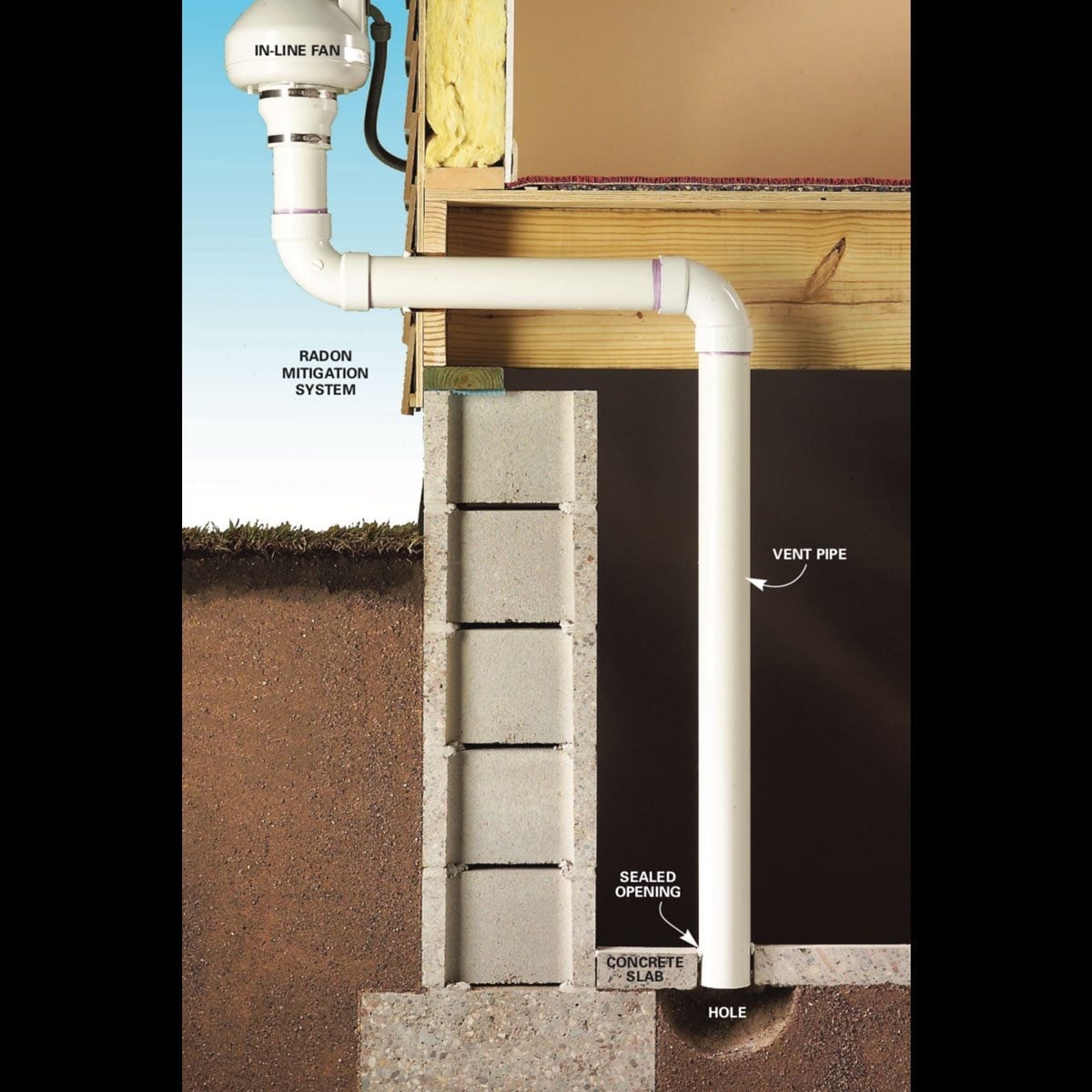
One of the biggest misconceptions buyers have is that radon remediation must be expensive. In reality, most residential mitigation systems cost between $1,500 and $5,000 depending on the home's design and construction. The most common solution is called a sub-slab depressurization system. Installed by a certified professional, it is designed to safely vent radon gas from beneath the foundation before it enters the home. For most properties, installation is straightforward and can often be completed in a single day. What often becomes expensive isn't the mitigation itself. It's the uncertainty surrounding it. When buyers don't know what a solution will cost, they tend to estimate high. That's one reason sellers who address elevated levels before listing often find negotiations significantly easier.
The Documentation Buyers Want To See
If testing reveals elevated levels and remediation is completed, documentation becomes extremely important. Ideally, sellers should have:
- The original radon test report
- Documentation from the certified contractor
- Proof of mitigation installation
- Post-mitigation test results
Together, these documents tell a complete story. More importantly, they demonstrate responsible ownership. Buyers appreciate transparency. When they can see exactly what was discovered and exactly how it was addressed, confidence tends to increase quickly.
Why Waiting Often Creates More Stress
A short-term test completed during a conditional period puts everyone under pressure. The buyer wants answers. The seller wants certainty. The clock is ticking toward closing. Even relatively straightforward solutions can feel complicated when important decisions must be made within days. Testing before listing changes that dynamic entirely. You receive the information privately. You have time to evaluate options. If mitigation is required, you can complete the work on your own schedule. Most importantly, you enter the market prepared rather than reactive.
What Sellers Should Do Next
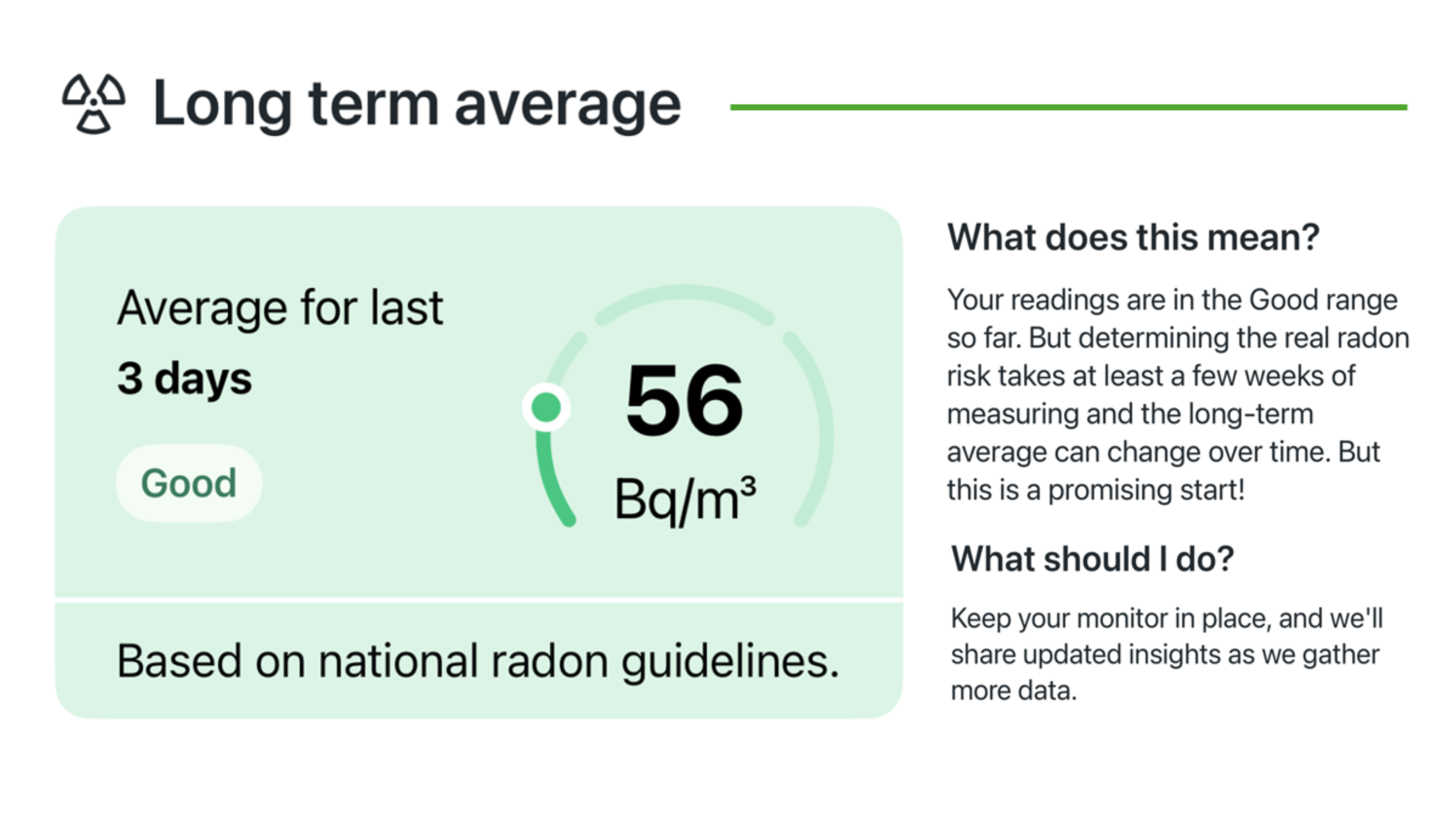
If you're considering selling within the next year, a long-term radon test is worth considering. Health Canada generally recommends long-term testing because it provides a more accurate picture of average exposure over time. Starting early gives you flexibility. If levels are low, you'll have documentation available for buyers. If levels are elevated, you'll have time to address the issue properly and gather the paperwork buyers will want to see. Either outcome places you in a stronger position when your home eventually reaches the market.
Final Thoughts
Selling a home successfully is rarely about avoiding every potential issue. It's about reducing uncertainty wherever possible. Radon is simply one of many items that can influence a buyer's confidence. When sellers understand their home's radon levels before listing, they gain something valuable: clarity. And clarity tends to make negotiations smoother, decisions easier, and transactions less stressful for everyone involved. If you're planning to sell your South Mississauga home in the next year, radon is just one of several items worth reviewing before listing. Pricing, presentation, deferred maintenance, inspections, buyer expectations and market timing all play a role in how successfully a home sells.
Planning to sell in the next year?
A little preparation today can prevent a lot of surprises later. If you'd like an honest assessment of your home's strengths, challenges, and current market position, feel free to reach out.

Check out this article next